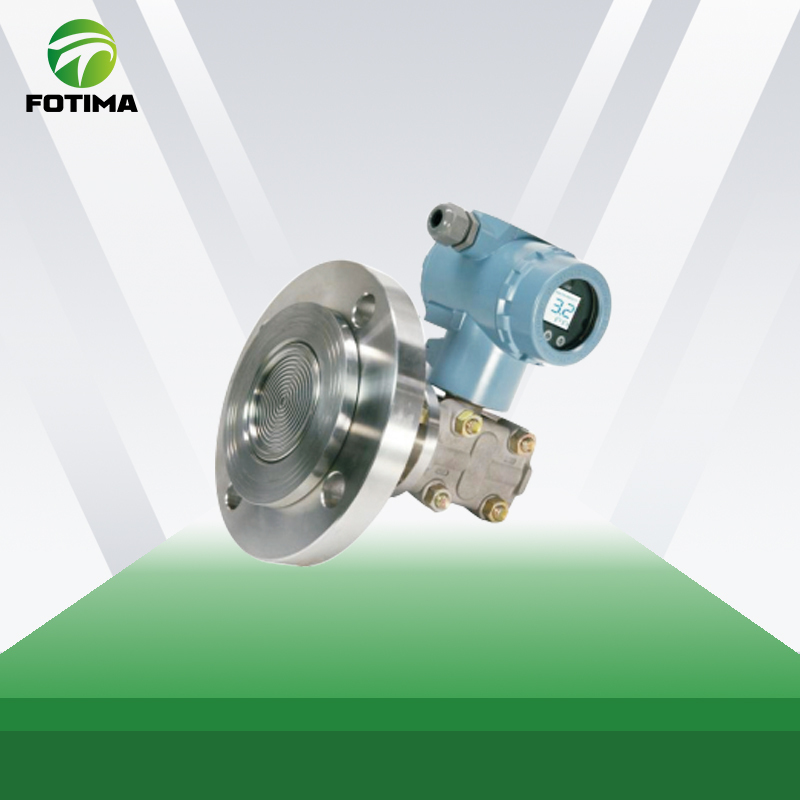
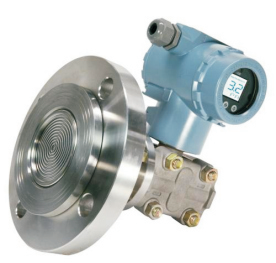
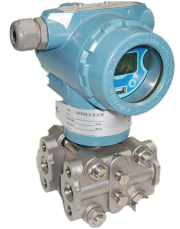
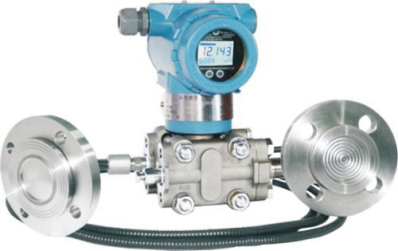
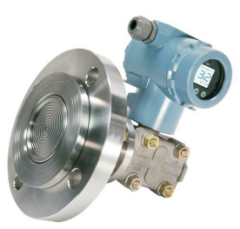
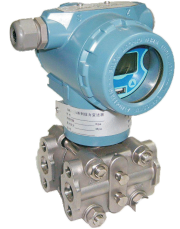
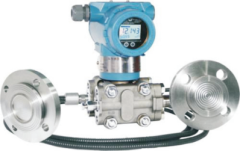
NP3051 series intelligent differential pressure/pressure transmitter is an intelligent field instrument that complies with the HART protocol.
Using microprocessor and HART communication circuit, it can communicate with any host computer software supporting HART communication protocol or 268,
275 and other handheld operators for two-way communication, and with a 5-digit intelligent digital LCD display, can display the differential pressure/pressure value, output current value and
Output percentage value, debugging is very convenient, realize the digital and intelligent function of the transmitter, and is compatible with the traditional 4~20mA analog output signal
The analog meter is compatible with the control system, so it can be interchanged with the analog meter without changing the control system.
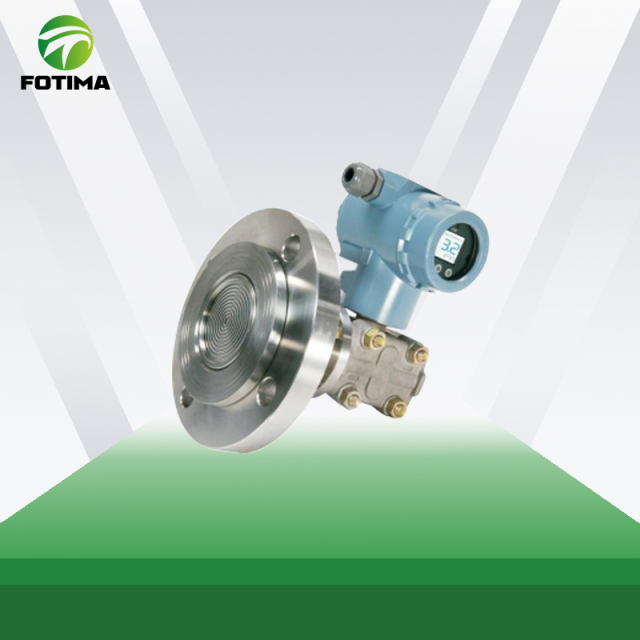
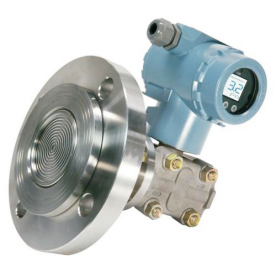
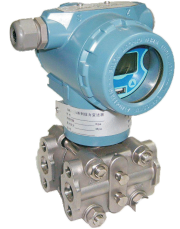
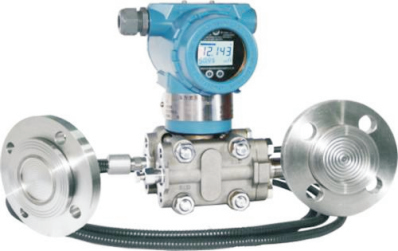
Product Description
The NP3051 Series Intelligent Differential Pressure/Pressure Transmitter is engineered for industrial process control engineers and system integrators requiring accurate differential pressure monitoring. This device serves temperature sensor manufacturers and technicians who need reliable sensors that support advanced digital protocols. With dual output signals compatible with conventional analog and HART communication, it addresses the needs of users seeking enhanced measurement precision and simplified integration into existing temperature control sensor networks and automation platforms.
Equipped with a five-digit intelligent digital LCD, the transmitter displays real-time differential pressure, current output, and output percentage. It supports a 4-20mA analog output alongside digital communication, facilitating seamless interfacing with control systems. The built-in continuous self-diagnosis, remote zero and range adjustments, and selectable output modes (linear or square root) ensure exceptional measurement stability. These technical attributes are critical for temperature sensor suppliers aiming to deliver sensors optimized for complex monitoring scenarios, ensuring precise data acquisition and reliable long-term performance.
This transmitter excels in fluid and gas pipeline pressure monitoring, making it invaluable for industries that integrate temperature control sensor arrays and armored temperature measuring cable systems. It offers real-time pressure data essential for automatic regulation and safety systems in chemical plants, energy generation, and manufacturing facilities. By supporting widely adopted protocols and output standards, it streamlines workflow integration and maintenance operations. Companies focusing on process enhancement and automation benefit from its capacity to provide precise differential pressure readings essential for optimizing temperature control functions.
Featuring a modular construction with shock-resistant components and plug-in PCBs, the NP3051 integrates easily within existing systems deployed by temperature sensor manufacturers. Its design supports both digital and analog output types, ensuring compatibility with a wide range of control architectures. The inclusion of overload protection and power-off data retention safeguards system integrity and enhances operational resilience. Such structural robustness makes it suitable for applications requiring the deployment of armored temperature measuring cable configurations alongside temperature control sensor networks.
This model’s intelligent features, such as digital fine-tuning and damping adjustment, allow precise customization for specific industrial conditions, thereby enhancing measurement accuracy. The capability for on-site or remote zero and range adjustment reduces downtime and maintenance costs, delivering operational efficiency. For temperature sensor suppliers, the transmitter’s reliable output combined with its clear LCD display facilitates straightforward readings and diagnostics, increasing user confidence and supporting improved system control and repeatability in complex temperature monitoring applications.
In chemical and petrochemical plants, the NP3051 transmitter functions as a critical component for monitoring differential pressure within pipelines and reactors. Its compatibility with temperature control sensor protocols and armored temperature measuring cable installations ensures accurate environmental sensing and system responsiveness. The transmitter’s digital communication capabilities allow continuous data exchange with supervisory control systems, facilitating compliance with safety regulations and optimized process control in demanding industrial conditions.
Manufacturing facilities employing smart temperature control sensor arrays rely on precise pressure feedback for process automation. The NP3051 transmitter provides essential differential pressure data that enhances the performance of temperature sensor manufacturers’ solutions by ensuring accurate environmental parameter measurement. Its robust design and flexible output support integration with distributed control systems, allowing seamless workflow incorporation and remote calibration. This ensures consistent process quality, reduces manual intervention, and supports predictive maintenance, particularly where armored temperature measuring cable configurations are used for enhanced durability.
How it works
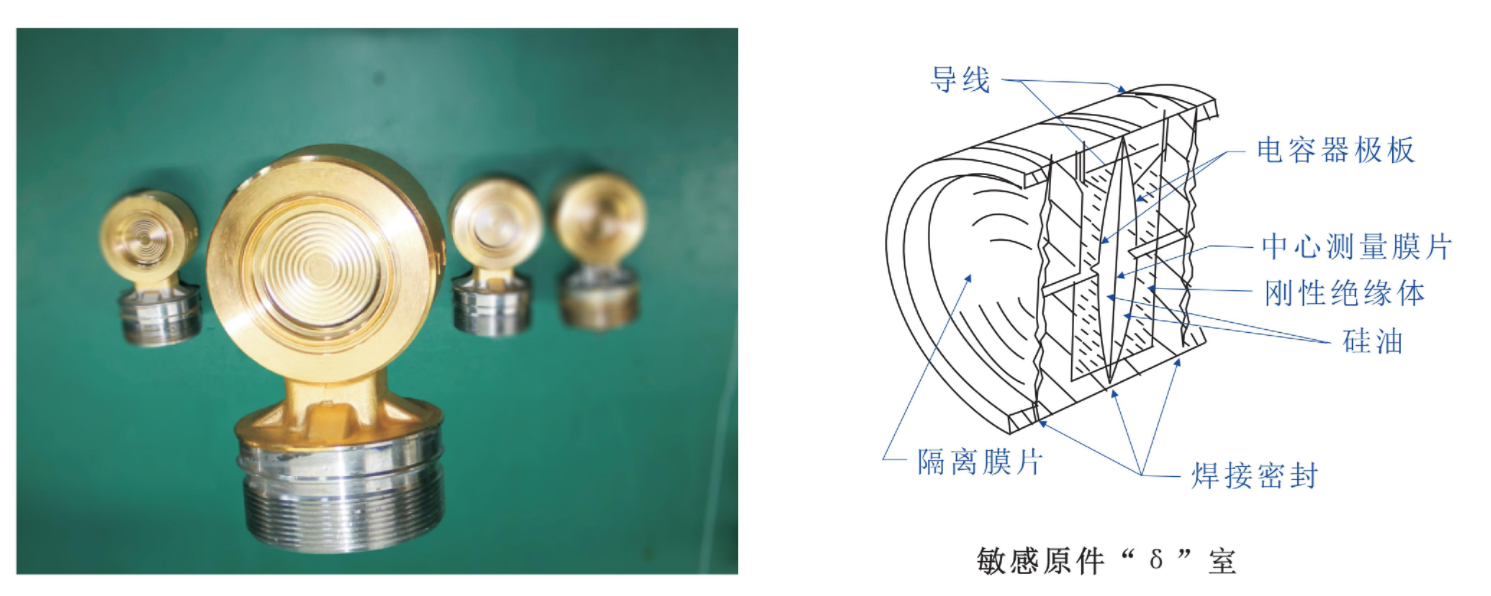
◎ High precision and good stability;
◎ With continuous self-diagnosis, linear compensation and digital fine-tuning functions;
◎ Zero position and range can be adjusted on site, or remotely through a remote operator or computer;
◎ Linear or square root output can be selected according to different applications;
◎ The damping time can be set between 0.1 and 16 seconds;
◎ It can realize the conversion of pressure value units between KPa, Pa, InH₂0, bar, etc.;
◎ You can set the failure and safety modes by toggling the failure/safety switch;
◎ With single point, multi-point and burst modes;
◎ With power-off protection function, it can automatically save its working data when power is off;
◎ Solid components, plug-in printed circuit boards are small, light, strong and shock-resistant;
◎ Good one-way overload protection characteristics;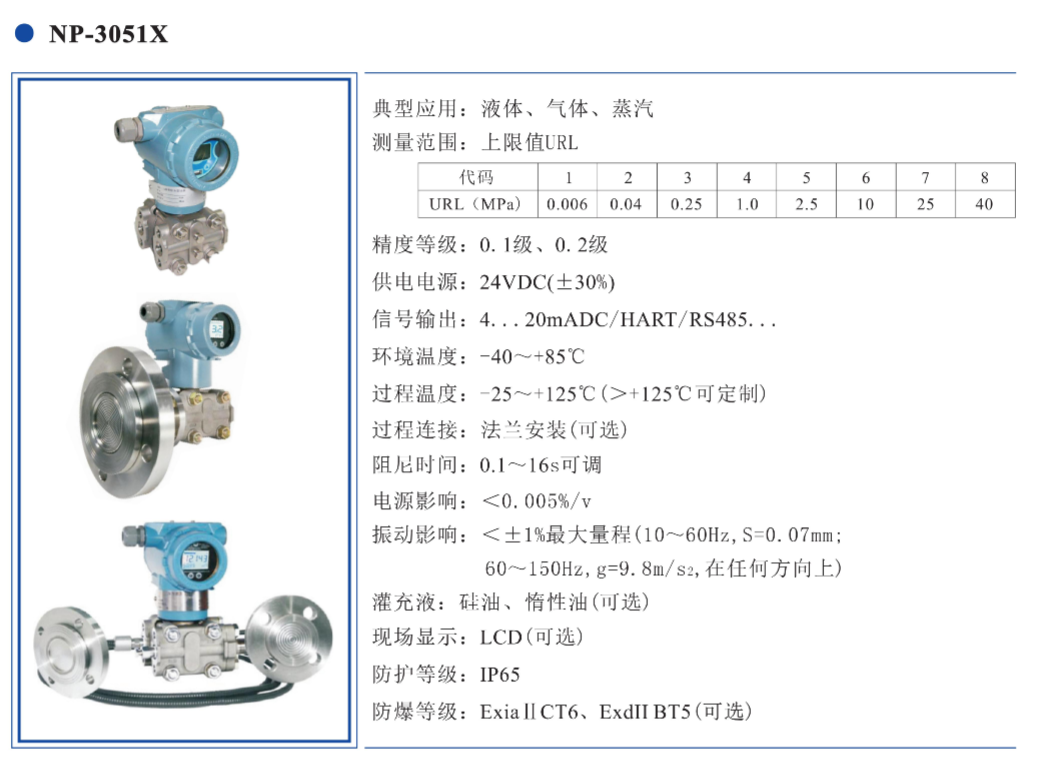
Actual use scenarios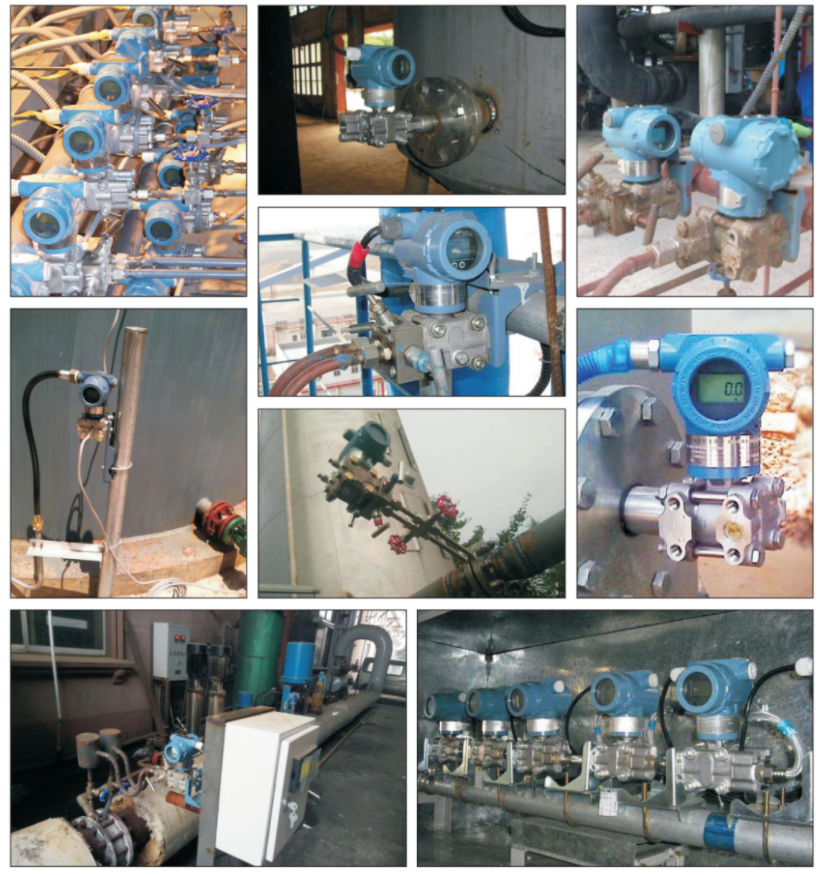
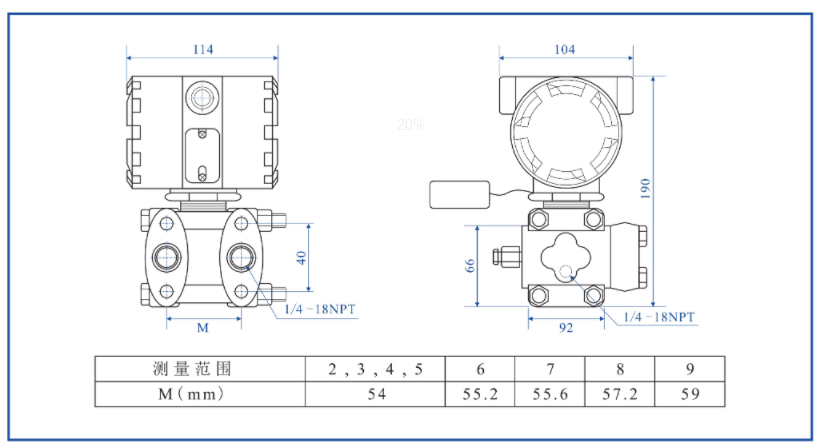
Product Selection