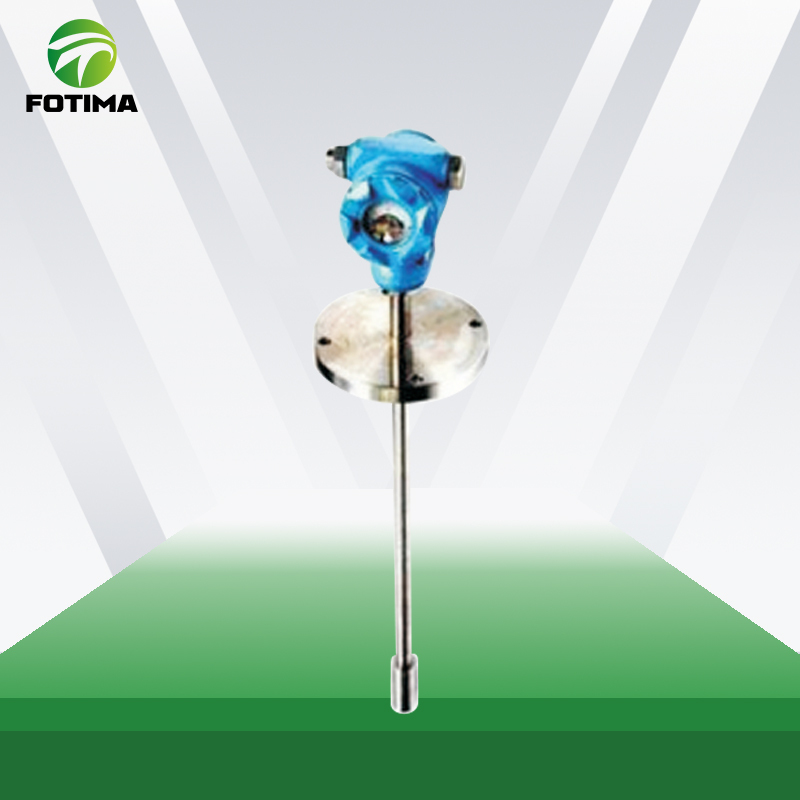
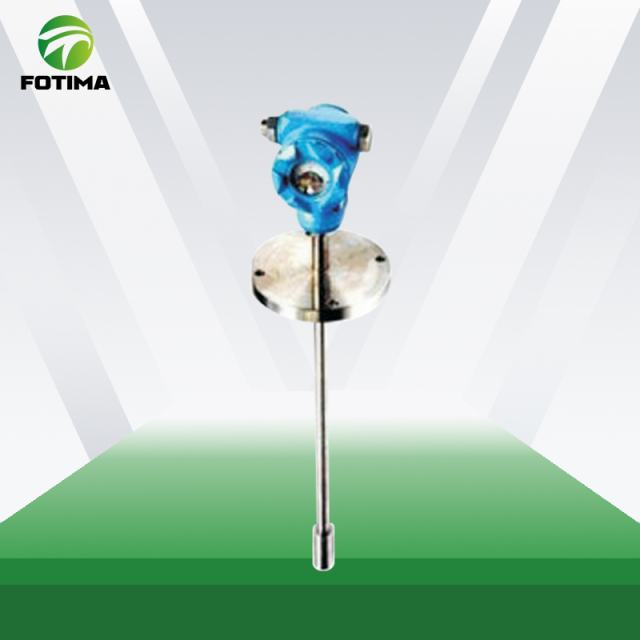
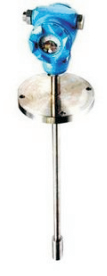
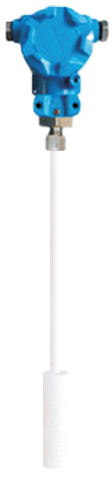
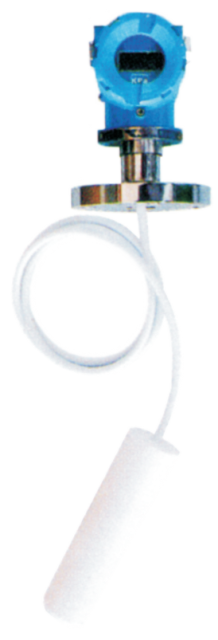
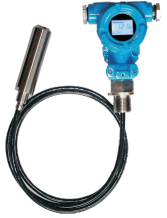
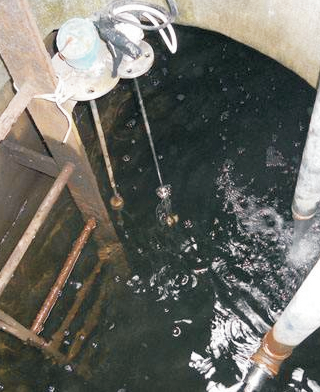
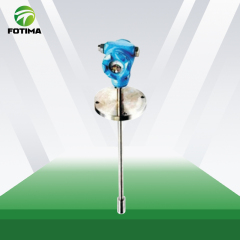
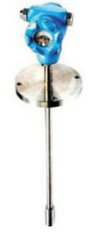
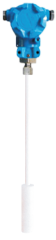
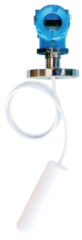
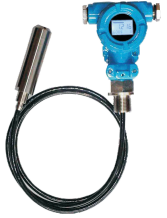
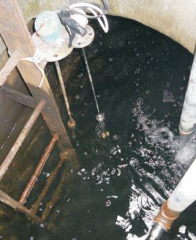
How it works The level transmitter consists of a special gas-conducting cable with a built-in capillary hose, a pressure-resistant connector and a probe. The probe of the submersible level meter is a stainless steel core with a diaphragm at the bottom and covered by a plastic shell with holes. The liquid level measurement is actually the difference between the static pressure of the liquid on the probe and the actual atmospheric pressure, and then the ceramic sensor (attached to the stainless steel film) and electronic components convert the pressure difference into a 4~20mA output signal.
When the static pressure level transmitter is put into the measured liquid at a certain depth, the pressure on the sensor facing the liquid is: PA=p·g·h+P. The liquid level formula is: h=PA-Po/p*g
At the same time, the pressure of the liquid is introduced into the positive pressure chamber of the sensor through the gas-conducting stainless steel, and then the atmospheric pressure on the liquid surface is connected to the negative pressure chamber of the sensor to offset the Po on the back of the sensor, so that the pressure measured by the sensor is: PA-Po=p·g·h
If the liquid density is uniform, the static pressure difference is proportional to the liquid level height.
Design Principle
◎Good stability and high precision.
◎ With exquisite structure, it can be directly put into the measured medium to measure the liquid level, and it is very convenient to install and use.
◎Solid-state structure, no moving parts, high reliability, long service life. High-precision measurement can be performed on everything from water, oil to high-viscosity paste, and it is not affected by foaming, deposition, or electrical characteristics of the measured medium.
◎Wide range of temperature compensation.
◎With power reverse polarity protection and overload current limiting protection, lightning protection and radio frequency interference protection.
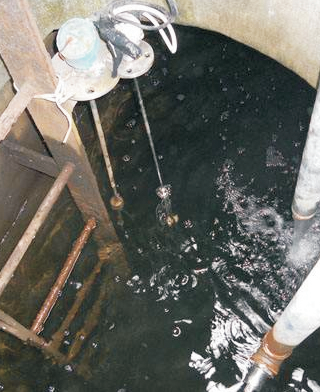
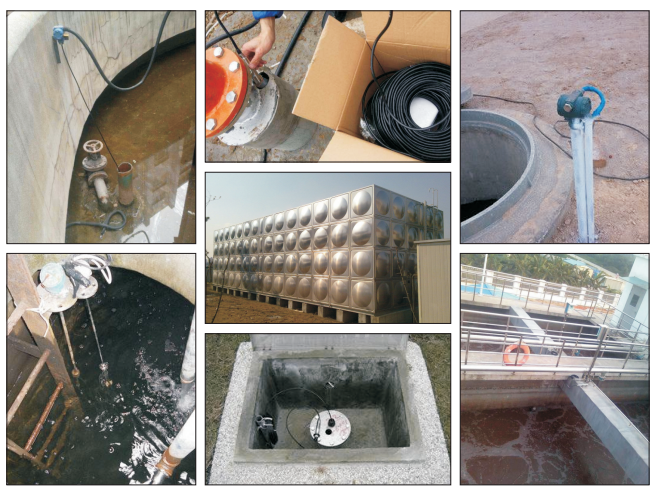
Usage scenarios
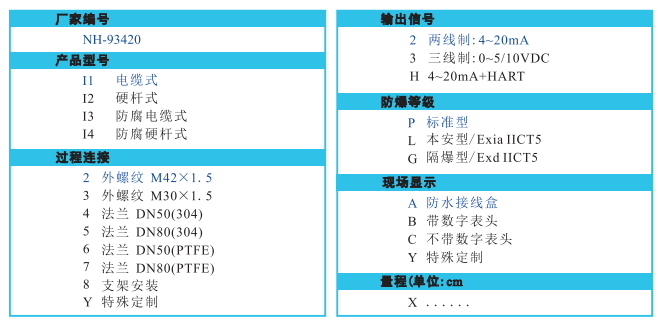
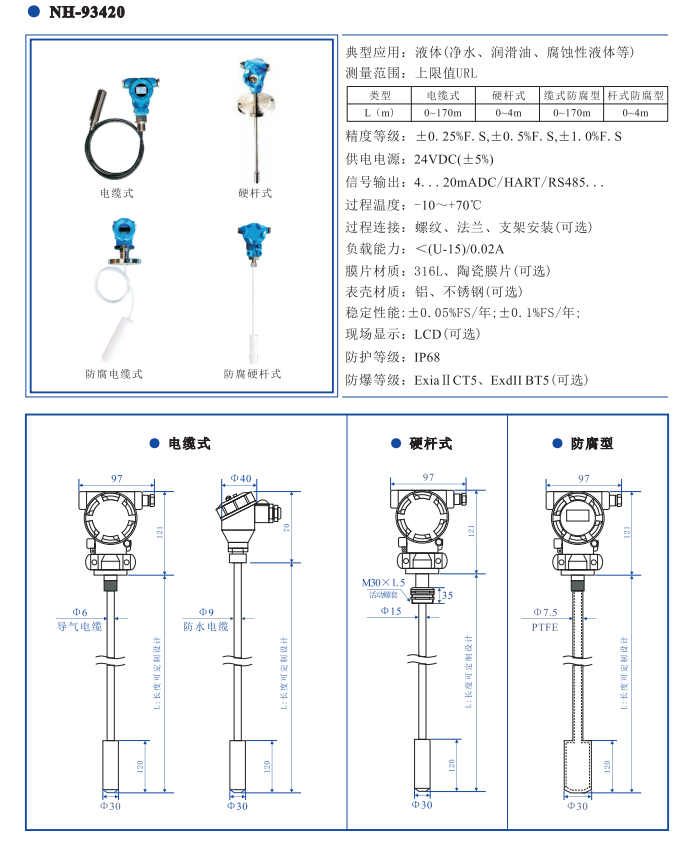
Product Selection